

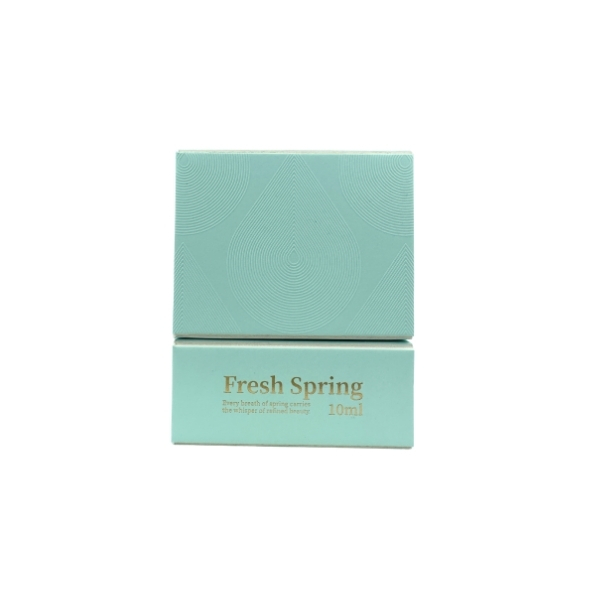
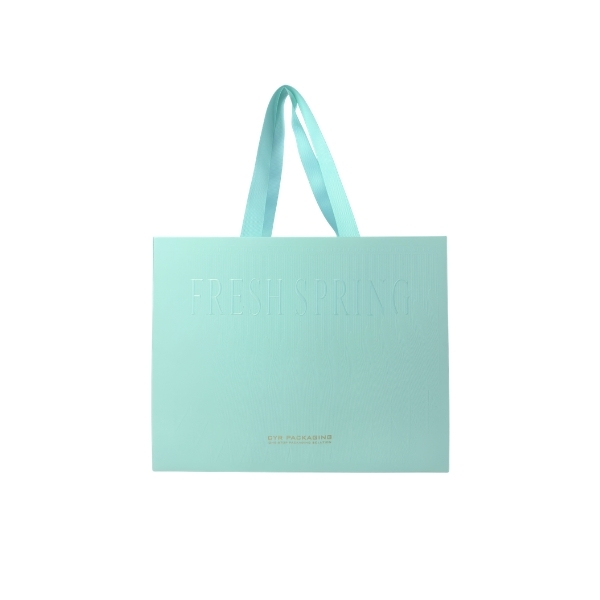


The EU Packaging and Packaging Waste Regulation (PPWR, EU 2025/40) enters into full application on 12 August 2026, replacing the long-standing 94/62/EC Packaging Directive with legally binding, directly applicable rules across all EU Member States. For paper bags and gift boxes exported to the European market, compliance is no longer a voluntary choice but a prerequisite for market access. The regulation sets mandatory thresholds for recycled content, full recyclability, plastic elimination, material safety, and packaging minimization. Non-compliance exposes brands, manufacturers, and importers to severe penalties, including import rejection, shipment detention, product recalls, online listing removal, and administrative fines up to 4% of annual EU turnover.
1. Mandatory Minimum Recycled Content & Forest Certification
Paper bags: Minimum 65% post-consumer recycled (PCR) fiber content, calculated by weight per production batch and verified through material traceability documents.
Gift boxes: Minimum 70% post-consumer recycled (PCR) fiber content, consistent with the EU’s long-term target for paper-based packaging to drive closed-loop recycling.
Forest certification is mandatory: All paper and paperboard materials—both virgin and recycled—must carry valid FSC or PEFC certification to prove legal sourcing, sustainable forest management, and chain-of-custody traceability. Certificates must be available for customs and market surveillance inspections.
Recycled content must be derived from post-consumer waste collected and processed within EU-compliant recycling systems. Brands must maintain batch records, material test reports, and supplier declarations to demonstrate compliance during audits. Mixing uncertified virgin fiber or non-compliant recycled materials will result in non-compliance rulings.
2. Full Recyclability & Single-Material Design Standard
All components must be 100% paper or paperboard with no multi-material laminates, plastic coatings, or composite layers that hinder recycling.
Plastic handles, plastic reinforcement strips, plastic-based films, and plastic liners are strictly restricted, as they contaminate paper recycling streams and reduce recyclability efficiency.
Packaging must avoid heavy metals, PFAS, and harmful inks or coatings that violate EU REACH and food-contact safety standards, as these substances can render entire batches unrecyclable.
From 2030, PPWR will introduce recyclability grading (A/B/C), with only grades of ≥70% recyclability permitted on the market. By 2026, single-material paper construction is already the only reliable path to meet upcoming grading requirements and avoid future bans.
3. Strict Plastic Reduction & Ban on Non-Essential Plastic Parts
Plastic liners, internal plastic trays, bubble wraps, and plastic windows are banned unless proven functionally necessary and authorized under strict exemptions.
Plastic accessories including snaps, stickers, adhesive strips, and shrink wraps are prohibited in retail and gift packaging.
Only trace amounts of plastic representing less than 5% of total package weight may be used in narrowly defined exceptions, which do not apply to standard paper bags and gift boxes.
The regulation prioritizes plastic-free design as the default. Brands must replace plastic components with paper-based alternatives such as molded fiber, paper hinges, cotton or paper handles, and water-based, plastic-free adhesives.
4. Packaging Minimization & Over-Packaging Ban
Void space in e-commerce and gift packaging is limited to a maximum of 50% of total volume.
False bottoms, redundant layers, decorative over-packaging, and non-functional structural excess are prohibited.
Packaging weight and thickness must be minimized while maintaining adequate protection, durability, and usability—marketing appeal alone does not justify excess material.
These rules apply equally to in-store retail packaging and cross-border e-commerce shipments entering the EU. Non-compliant oversized or over-layered gift boxes face rejection at customs or mandatory redesign.
5. Compliance Risks & Enforcement Consequences
Import detention or rejection at EU borders due to missing documentation, non-compliant materials, or prohibited plastic parts.
Product recall and removal from online marketplaces (including Amazon, eBay, and regional EU platforms) and physical retail.
Administrative fines up to 4% of the company’s annual turnover generated in the EU, with higher penalties for repeated violations.
Loss of EPR (Extended Producer Responsibility) registration eligibility, which is mandatory for placing packaging on the EU market.
About Us
We specialize in PPWR-compliant paper packaging for the European market. We provide certified materials, full test reports, and 100% plastic-free designs to help you pass EU customs smoothly.
Our services include:
• PPWR-compliant packaging solutions
• Recycled content certificates
• Full recyclability test reports
• FSC/PEFC certified paper
• Custom design & fast sampling
• Stable mass production & on-time delivery
Contact us to make your packaging 100% EU-compliant.